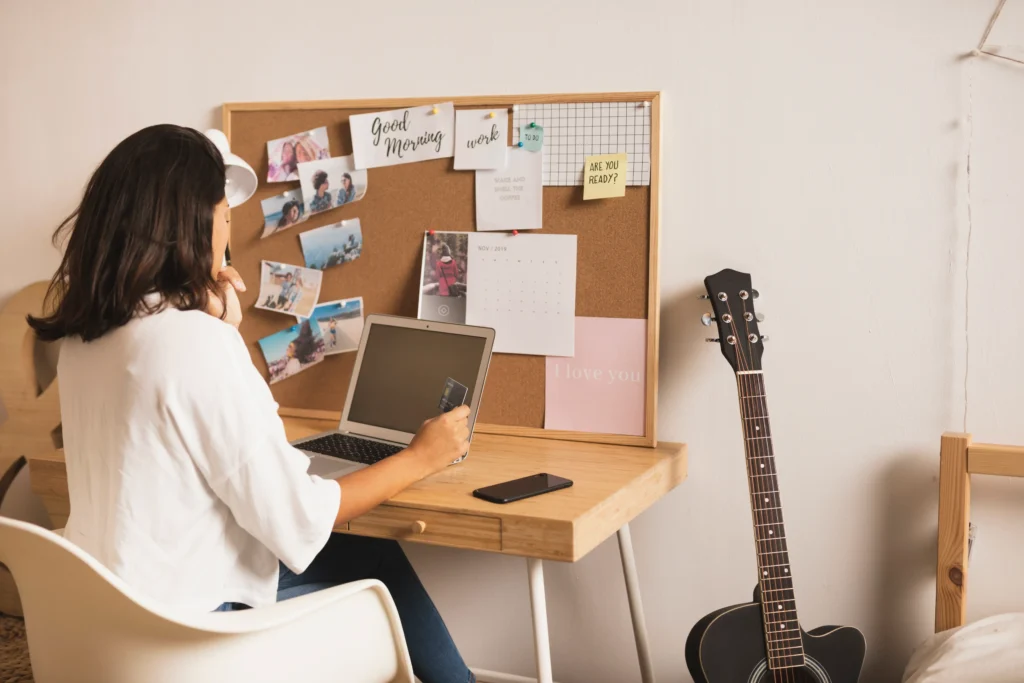

A Guide to Slowing Down With Intention

Slowing down can feel refreshing in a world that moves quickly. It is not about doing less, but about moving with more intention and awareness.

Notice When You Feel Rushed

Awareness is the first step. Pay attention to moments when you hurry unnecessarily. Slowing down begins with recognizing your pace.

Take Intentional Pauses

A short pause between tasks helps reset your mind. These pauses give you a sense of space and make transitions smoother.

Simplify Your To-Do List

Choose a few meaningful tasks instead of trying to fit everything into one day. Focusing on fewer priorities helps you move more calmly.

Be Present With Each Activity

Give your full attention to what you’re doing. Whether you’re preparing a meal or working on a project, staying present creates a sense of ease.

Create Quiet Moments

Quiet can be grounding. Even brief moments—sitting on your couch, resting your eyes, or breathing slowly—help bring intentional slowness.

Final Thoughts

Slowing down is a gentle shift. When you choose intention over speed, your day becomes more balanced and meaningful.


Daily Mindfulness Rituals That Fit Any Schedule

Mindfulness can be woven into any routine, no matter how busy your schedule is. Small rituals help bring calm and clarity to your day without taking much time.

Morning Moment of Stillness

Take a quiet moment before the day begins. Sit comfortably, breathe naturally, and ease into the morning without rushing.

Mindful Sips

Whether it’s water, tea, or any drink you enjoy, take a few slow sips and focus on the taste and temperature. This creates a gentle pause.

One-Minute Breathing Breaks

Short breathing moments during the day help you slow down. No special technique is required—just breathe comfortably.

Mindful Walking

Walk a little slower and notice each step. This works well during commutes, breaks, or errands.

Evening Reflection

Spend a few minutes in the evening thinking about moments that brought you comfort or joy. Reflection helps close the day with intention.

Final Thoughts

Mindfulness does not have to be a long practice. Small daily rituals help create steady moments of clarity and ease throughout your day.

Simple Presence: Noticing the Small Moments

Presence is about paying attention to the ordinary moments that often pass unnoticed. When you slow down enough to observe them, your day feels more grounded and meaningful.

Start With Your Senses

Tune in to what you see, hear, or feel:

  • The light in the room
  • The sound of quiet spaces
  • The feeling of your chair
    Focusing on your senses brings you into the moment.

Pause During Routine Activities

Simple moments like washing dishes, making your drink, or walking to another room can become opportunities for presence. Notice each step without rushing.

Put Your Phone Down Occasionally

Even a short break from your device helps you reconnect with your surroundings. You may notice details you normally overlook.

Move a Little Slower

Rushing through tasks can make the entire day feel blurred. Slowing your pace slightly helps you experience things more fully.

Appreciate Small Joys

Tiny pleasant moments—sunlight through a window, a warm drink, fresh air—add beauty to the day when you take time to notice them.

Final Thoughts

Presence does not require effort. It grows naturally when you pay attention to life’s small and simple moments.

Digital Decluttering: How to Organize Your Work Life

Digital spaces can easily become cluttered, making it harder to focus. Organizing your digital life helps create a calmer workflow and a more enjoyable work experience.

Start With Your Desktop

A clean desktop sets the tone. Remove files you no longer need and group important ones into simple folders. A clear screen brings instant clarity.

Sort Your Files by Category

Create folders for:

  • Work documents
  • Personal items
  • Projects
  • Archives

Organizing by category makes it easier to find what you need quickly.

Clean Up Your Email

Try simple habits:

  • Unsubscribe from unnecessary emails
  • Sort messages into folders
  • Set aside a daily time for checking

A tidy inbox reduces digital overwhelm.

Organize Your Browser

Limit open tabs and save links you need for later. Bookmark frequently used sites for easier access.

Refresh Regularly

Digital clutter builds up fast. Doing a weekly or monthly refresh helps keep things under control.

Final Thoughts

Digital decluttering does not have to be demanding. Small, consistent steps keep your workspace feeling clear, simple, and manageable.

Ways to Stay Active Without Structured Workouts

Staying active does not always require formal exercise sessions. Movement can naturally blend into everyday activities, making it easier to stay consistent without feeling like you are following a strict routine.

Walk Whenever You Can

Walking is one of the simplest ways to stay active. Short walks add up throughout the day and help you stay mobile without effort.

Incorporate Movement Into Daily Tasks

Little movements count:

  • Taking the stairs
  • Carrying groceries
  • Tidying up rooms
  • Doing light chores

These moments help keep your body engaged.

Stretch During Breaks

Short stretches during work or screen time help loosen tension and bring more motion into your day. Even a minute of stretching is beneficial.

Use Standing Activities

When possible, do simple tasks while standing, such as:

  • Reading
  • Talking on the phone
  • Sorting items

It’s an easy way to break up long periods of sitting.

Add Fun Movement Moments

Movement can feel like play:

  • Dancing to music
  • Light outdoor activities
  • Slow household tasks

Enjoyable movement keeps you active naturally.

Final Thoughts

You do not need structured workouts to stay active. Adding small bursts of movement into your daily rhythm creates a naturally active lifestyle.


How to Stay Consistent With Movement Routines

Consistency in movement routines comes from creating habits that fit naturally into your life. It does not require strict schedules or high-energy workouts. The goal is to find simple, enjoyable ways to stay active.

Choose Movements You Enjoy

When movement feels pleasant, you are more likely to repeat it. Try different types of low-impact activities until you find what feels comfortable and uplifting.

Set Small, Repeatable Goals

Instead of aiming for long sessions, keep your goals simple:

  • 5 to 10 minutes of stretching
  • A short walk
  • Light mobility exercises

Small goals are easier to maintain.

Attach Movement to an Existing Habit

Connect a movement habit to something you already do daily. For example:

  • Stretch after brushing your teeth
  • Walk after lunch
  • Light movement before starting work

This makes the habit feel automatic.

Be Kind to Your Schedule

It is natural to miss days. What matters is returning gently to your routine without pressure. Consistency grows through repetition, not perfection.

Celebrate Your Progress

Notice the effort you put in, even when it is small. Acknowledging progress helps build motivation and keeps your routine enjoyable.

Final Thoughts

Movement becomes consistent when it blends easily with your daily life. Keep it simple, enjoyable, and flexible, and your routine will naturally stay steady.