Why Gentle Movement Supports a More Grounded Day

Gentle movement is a simple way to feel more connected to your day. It does not require intense exercise or strict routines. Instead, it focuses on small, approachable actions that help you feel grounded.

Start with Light Stretching

Taking a few slow stretches in the morning can help you ease into your day. Gentle movement helps wake up your muscles and creates a smoother transition into your routine.

Walk Whenever Possible

Walking is one of the easiest forms of movement. Whether it is around your neighborhood or inside your home, moving at a relaxed pace helps your day flow more naturally.

Incorporate Movement Into Routine Tasks

Movement can happen during daily activities:

  • Tidying spaces
  • Carrying items
  • Standing up periodically
    These moments keep your body active without requiring extra time.

Create a Soft Movement Ritual

Choose one small movement you enjoy and practice it daily. This could be stretching, slow pacing, or gentle balance exercises. Rituals help anchor your day.

Pay Attention to How Movement Feels

Gentle movement encourages awareness. Notice your breathing, your posture, and how your body feels as you move. This presence helps create a sense of steadiness.

Final Thoughts

Movement does not need to be intense to be meaningful. Small, consistent actions help create a day that feels grounded and balanced.

Simple Ways to Add More Enjoyment to Everyday Meals

Meals can be more than just part of your schedule. They can become small moments of enjoyment that bring warmth to your day. Adding pleasure to your meals does not require elaborate recipes or fancy settings. It starts with attention and intention.

Use Dishware You Enjoy

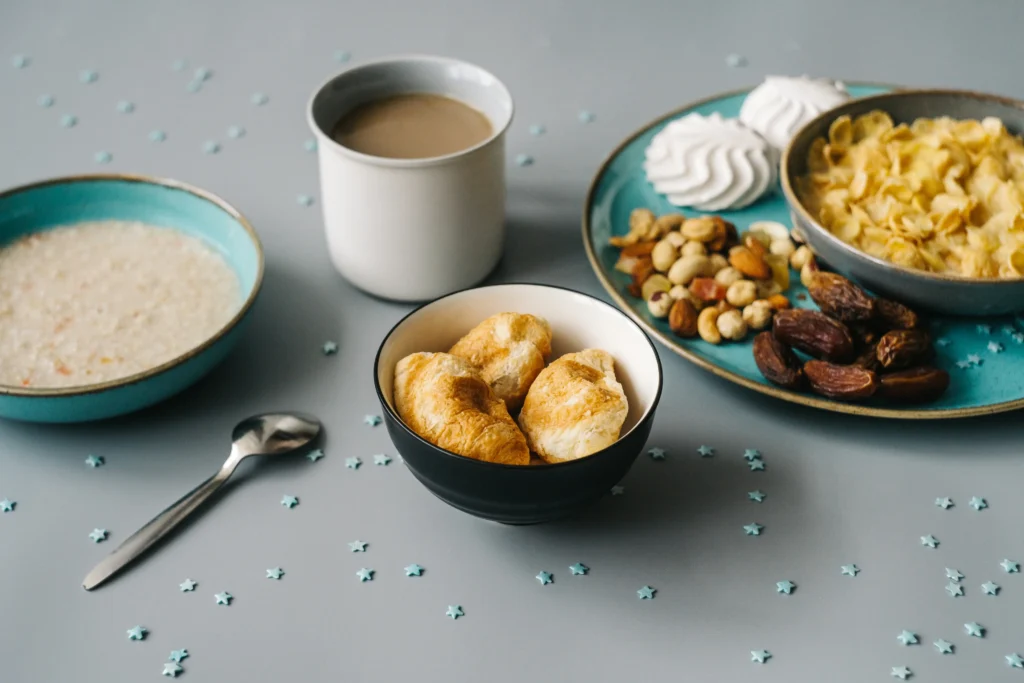
Eating from a plate or bowl you genuinely like can lift your mood. Choose textures, colors, or designs that feel comforting or appealing to you.

Add a Fresh Element

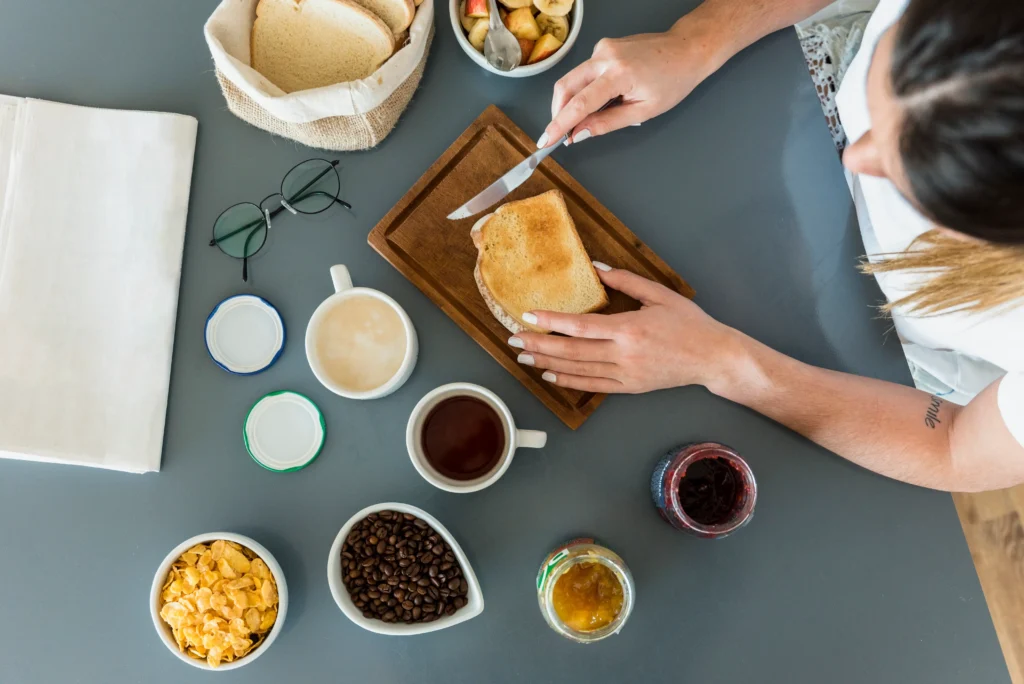
Even something as simple as a slice of fruit, a sprinkle of herbs, or fresh bread can brighten a meal. Fresh touches make meals feel more inviting.

Slow Down Your Eating Pace

Taking your time helps you appreciate the flavors and textures of your food. When you eat more slowly, mealtime becomes a pleasant break in your day.

Minimize Distractions

Try keeping devices aside and focusing on your meal. This small shift helps you stay present and enjoy your food more fully.

Change Your Mealtime Setting Occasionally

If possible, eat in different spots sometimes:

  • By a window
  • At a small table
  • Outdoors
    These new settings can make meals feel renewed.

Final Thoughts

Enjoyment comes from attention. When you approach meals mindfully, ordinary dishes become meaningful moments in your routine.


How to Build a Meal Routine That Works for You

A meal routine can bring structure and ease to your day. When meals follow a general rhythm, planning becomes simpler and mealtimes feel more predictable in a comforting way.

Understand Your Natural Eating Patterns

Take note of when you feel most hungry or when you enjoy sitting down to eat. Building a routine around your natural preferences makes it easier to follow consistently.

Choose a Simple Framework

A meal routine does not need strict rules. Instead, think of it as a flexible structure. For example:

  • A light breakfast
  • A mid-day meal
  • A relaxed evening meal

This approach keeps your routine flowing smoothly without pressure.

Keep Staple Foods on Hand

Having a few favorite ingredients ready to use helps you prepare meals with ease. Stock items that you enjoy and use often. This creates a sense of familiarity during meal prep.

Set Aside Calm Mealtime Moments

Creating gentle rituals around meals, such as sitting in the same spot or using your favorite dishware, can add comfort to your routine.

Stay Flexible

Life changes from day to day. Allow your meal routine to adjust naturally. Flexibility keeps your meals enjoyable rather than restrictive.

Final Thoughts

A meal routine is meant to support your day, not control it. When it feels natural and easy, it becomes a comfortable part of your daily rhythm.

Everyday Kitchen Habits That Support a Balanced Lifestyle

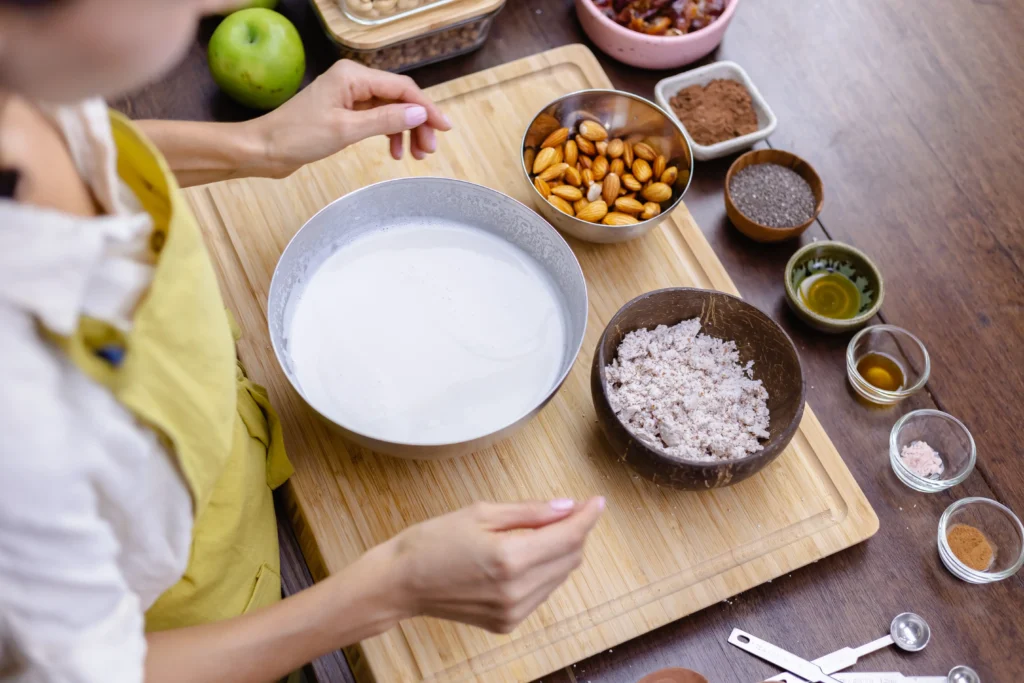
The kitchen is often the heart of the home. When it feels organized and welcoming, preparing meals becomes smoother and more enjoyable. Simple habits can help your kitchen support a steady, balanced lifestyle without requiring large changes.

Keep Your Countertops Clear

A clean surface makes food prep easier. Try giving everything a designated place and keeping only everyday essentials on the counter. Clear spaces create a sense of calm and help you move around more freely.

Plan Simple Meals

Meal planning does not need to be complicated. Choosing easy dishes you enjoy saves time and removes pressure. Focus on meals that are quick to prepare with ingredients you already like using.

Prep Ingredients Ahead of Time

Small bits of preparation go a long way. Washing produce, chopping vegetables, or pre-measuring ingredients can make cooking feel smoother during busy days.

Organize Your Pantry by Use

Group items you use regularly within easy reach. When your pantry is organized, choosing ingredients and prepping meals becomes more intuitive.

Create a Relaxed Cooking Atmosphere

A calm cooking environment encourages a more pleasant experience. Try:

  • Playing soft music
  • Opening a window for fresh air
  • Using gentle lighting

Final Thoughts

Your kitchen does not need to be perfect. Small, steady habits can help make it a place where preparing food feels natural and enjoyable.


Mindful Eating: A Gentle Approach to Enjoying Meals

Mindful eating is a simple way to bring more awareness and enjoyment to your meals. It is not about rules or restrictions. Instead, it is about slowing down and noticing the experience of eating.

Create a Calm Eating Environment

A peaceful setting helps you connect with your meal. You can:

  • Clear your space
  • Use soft lighting
  • Sit comfortably

A calm environment supports a relaxed mealtime.

Take a Moment Before You Begin

Before eating, pause for a brief moment. Notice the colors, textures, and aromas of your meal. This simple habit helps shift your attention to the present moment.

Eat Slowly and Intentionally

Try taking smaller bites and fully experiencing the flavors. Eating slowly can make meals feel more satisfying and enjoyable.

Remove Distractions When Possible

Placing your phone aside and turning off the TV helps you stay connected to the moment. When you focus on your meal, you naturally notice more details.

Appreciate the Experience

Pay attention to how your food tastes and the small sensations you may not usually notice. This awareness brings more enjoyment to your eating routine.

Final Thoughts

Mindful eating is a gentle practice that encourages presence and appreciation. When meals become moments of intention, eating feels calmer and more enjoyable.


Simple Ways to Add Ease to Your Day

Ease comes from simplifying the small parts of your day. When you reduce friction in your routines, everything feels more manageable.

Prepare for Tomorrow the Night Before

A few minutes of preparation can save time and reduce pressure the next morning. Try:

  • Setting out clothes
  • Tidying your workspace
  • Planning your top 3 tasks

Create Light, Repeatable Routines

Repeating small habits makes your days flow more smoothly. For example:

  • A 5-minute stretch after waking
  • A midday pause
  • A consistent evening wind-down

Routines help guide your day without feeling restrictive.

Keep Your Devices Organized

Digital clutter can add unnecessary stress. Clean up your:

  • Home screen
  • Notifications
  • Files
  • Tabs

Even a few minutes of organization brings clarity.

Give Yourself Space Between Tasks

Instead of rushing from one activity to the next, pause for a moment. These gaps help you enter each task calmly.

Choose One Task to Simplify

Pick one thing that often feels complicated and make it easier. For example:

  • Preparing simple meals
  • Setting up a weekly planning habit
  • Keeping everyday items in a set location

Final Thoughts

Small choices shape how your day feels. When you focus on ease instead of speed, routines become smoother and more enjoyable.